
Now hiring
Non-CDL Box Truck, Straight Truck, Cargo Van & Sprinter Van Driver
Drive a box truck, straight truck, cargo van or Sprinter van with a regular driver's license: no CDL needed. Local and regional routes with the carriers we recruit for, pay from $18 to $25 an hour, and new drivers are welcome.
Full-time · Non-CDL
$18–$25 an hour
Good-faith pay range
- Employer
- A carrier we recruit for, named when your recruiter calls
- Where
- Across the U.S., near your home
- Routes
- Local, Regional
- Home time
- Home every day on most local routes, with shifts and days set by each carrier; regional runs can mean nights away
- Equipment
- 26 ft and smaller box trucks, straight trucks, cargo vans, Sprinter vans
- License
- Regular driver’s license (no CDL)
- Experience
- New drivers welcome
About 3 minutes · posted Oct 29, 2026 · applications close Jan 31, 2027
About the job
About this Non-CDL Box Truck, Straight Truck, Cargo Van & Sprinter Van Driver job
No CDL? You can still drive for a living. Digital Storming recruits non-CDL drivers for carriers and delivery companies across the U.S. that run box trucks, straight trucks, cargo vans and Sprinter vans under 26,001 pounds, the weight at which a CDL becomes necessary.
Most of these jobs are local, with deliveries to businesses and homes and home time every day; some are regional runs. Many trucks have a liftgate, and some jobs involve loading and unloading with a pallet jack or a hand truck.
New drivers are welcome. Send one short application, and a recruiter matches you with carriers that fit your experience, your home base and the hours you want.

Duties, requirements and benefits
What you’ll do
- Drive a box truck, straight truck, cargo van or Sprinter van on local or regional routes
- Load, unload and secure freight, often with a liftgate, pallet jack or hand truck
- Check the vehicle before and after each shift
- Deliver on time, collect signatures or photos, and keep dispatch updated
- Record your hours of service when the truck counts as a commercial vehicle
What you need
- A valid regular driver's license from any U.S. state
- 21 or older for trucks over 10,000 lb that cross state lines (some local jobs hire at 18)
- A DOT medical card when the truck is over 10,000 lb and the route crosses state lines
- A driving record that meets the carrier's safety standards
- Able to lift and move freight safely (the carrier tells you the weights)
- Able to read and speak English well enough for road signs, inspections and paperwork
- Legally allowed to work in the U.S.
What you get
- Hourly pay of $18 to $25: about $18–$21 to start and $21–$25 with experience, depending on the carrier, the truck and the route
- No CDL needed
- Local routes with home time every day, and regional runs if you want them
- Benefits depend on the carrier: your recruiter goes over health insurance, paid time off and retirement plans where a carrier offers them
- One application for several carriers; free to apply, with no account to make
Pay
What this job pays: $18–$25 an hour
Set from current U.S. box truck and van driver postings (September–October 2026): new drivers typically start at about $18–$21 an hour and experienced drivers earn about $21–$25, more in high-cost metro areas such as Portland, Oregon. Some jobs pay by the day or by the stop; your recruiter gives each carrier's exact pay.
What employers advertise now
| Advertised by | What they advertise | Source |
|---|---|---|
| 60 job listings (Talent.com) | 60 non-CDL box truck, straight truck and van listings posted in September and October 2026 (checked October 29, 2026) show a median of $22 an hour; the middle half pay $19.50–$24. | Source: Talent.com |
| Ryder | Ryder’s non-CDL home-daily job in Tualatin, Oregon (Portland area), posted October 27, 2026, pays $29.00 an hour for about 50 hours a week, delivering medical supplies in a 26 ft straight truck without air brakes. | Source: Ryder |
| Amazon delivery partners | Amazon said in September 2026 that it expects its $1.9 billion delivery partner investment to help its partners raise van driver pay to a national average of nearly $24 an hour. | Source: Amazon |
Public pay figures checked October 29, 2026, named as market examples only.
Government pay data across the U.S.
Light truck drivers (usually no CDL)
| Pay level | Per year | Per week | Per hour |
|---|---|---|---|
| 10th percentile | $30,800 | $592 | $14.81 |
| 25th percentile | $37,270 | $717 | $17.92 |
| Median | $44,860 | $863 | $21.57 |
| 75th percentile | $52,310 | $1,006 | $25.15 |
| 90th percentile | $80,310 | $1,544 | $38.61 |
983,300 jobs in the U.S. BLS projects light truck driver jobs to grow 6% from 2025 to 2035, and about 152,700 openings a year in the wider delivery driver group that includes them. Sources: U.S. Bureau of Labor Statistics, May 2025 data (released 2026) and its Occupational Outlook Handbook; wage and salary jobs, self-employed drivers not included.
Routes and trucks
Non-CDL routes and trucks: box trucks, straight trucks, cargo vans and Sprinter vans
Home every day on most local routes, with shifts and days set by each carrier; regional runs can mean nights away.
Local
Local non-CDL drivers deliver to stores, offices and homes and return to the same yard every day. Within 150 air-miles, no logbook is needed under the short-haul exception.
Regional
Regional non-CDL drivers take longer runs with nights away. In a truck over 10,000 lb across state lines, they keep hours-of-service logs and carry a DOT medical card.
26 ft box truck
A 26 ft box truck is the biggest you can usually drive without a CDL, often with a liftgate, for furniture, appliances and pallets. Check the door label: rated 26,001 lb or more needs a Class B CDL.
Box and straight trucks
Box and straight trucks of 16 to 24 ft handle local deliveries to stores, offices and homes.
Cargo and Sprinter vans
Cargo and Sprinter vans carry smaller loads with many stops. A van rated 10,000 lb or less isn’t a commercial vehicle: no DOT medical card or hours-of-service log under federal rules.
Requirements
Non-CDL driver requirements
The federal rules every carrier must check, in plain words. Each carrier adds its own hiring standards on top.
No CDL under 26,001 lb
A single truck needs a Class B CDL from 26,001 lb gross vehicle weight rating (GVWR). Box trucks, straight trucks and vans rated 26,000 lb or less need only a regular license, unless they carry placarded hazardous materials or 16 or more passengers.
Source: 49 CFR 383.91
Over 10,000 lb is a commercial vehicle
Across state lines, a truck or van rated 10,001 lb or more is a commercial motor vehicle, and its driver must meet the federal driver rules even without a CDL. A cargo van rated 10,000 lb or less is not one.
Source: 49 CFR 390.5
A DOT medical card
Drivers of trucks rated over 10,000 lb that cross state lines need a medical examiner’s certificate and must carry it while driving. It is renewed at least every 24 months.
Source: 49 CFR 391.41
21 to cross state lines
Drivers of trucks rated over 10,000 lb must be 21 to drive across state lines. Inside one state, a local job may hire at 18 where the state allows it.
Sources: 49 CFR 391.11, 49 CFR 350.305
English language proficiency (ELP)
Drivers of trucks rated over 10,000 lb that cross state lines must read and speak English well enough for road signs, inspections and records. Since June 25, 2025, a driver who fails this check at a roadside inspection is put out of service.
Sources: 49 CFR 391.11, English Language Proficiency Out-of-Service Criteria
Hours and logs
Non-CDL drivers of commercial vehicles follow the hours-of-service rules. Those who stay within 150 air-miles and return to the same place each day can use the short-haul exception: no logbook, and a 14-hour day (16 hours on two days a week).
Source: 49 CFR 395.1
DOT drug testing is for CDL drivers
Federal drug and alcohol testing applies only to drivers who need a CDL. A carrier can still test non-CDL drivers under its own company policy.
Source: 49 CFR 382.103
Driving record (MVR) and driver application
Before you start, the carrier has you fill in its full driver application and pulls your driving record (MVR) from every state that licensed you in the past three years. Have ready your addresses, licenses, accidents, tickets and employers for the past three years.
Sources: 49 CFR 391.21, 49 CFR 391.23
How to get this job
How hiring works: from application to your first load
Step 1: Apply in 3 minutes.
Answer a few quick questions about your license, your experience, where you live and the driving you want. No account and no resume needed.
Step 2: Talk to a recruiter.
A recruiter reads your answers and looks for carriers that are hiring for this job near you. When one fits, we call you about its pay, routes and home time.
Step 3: Meet the carrier.
You fill in the carrier’s own application, and the carrier checks your driving record. For trucks over 10,000 lb across state lines, you also need a DOT medical card.
Step 4: Start driving.
Once you accept the carrier’s offer, you go through its orientation and get your truck. Nothing is final until you say yes.
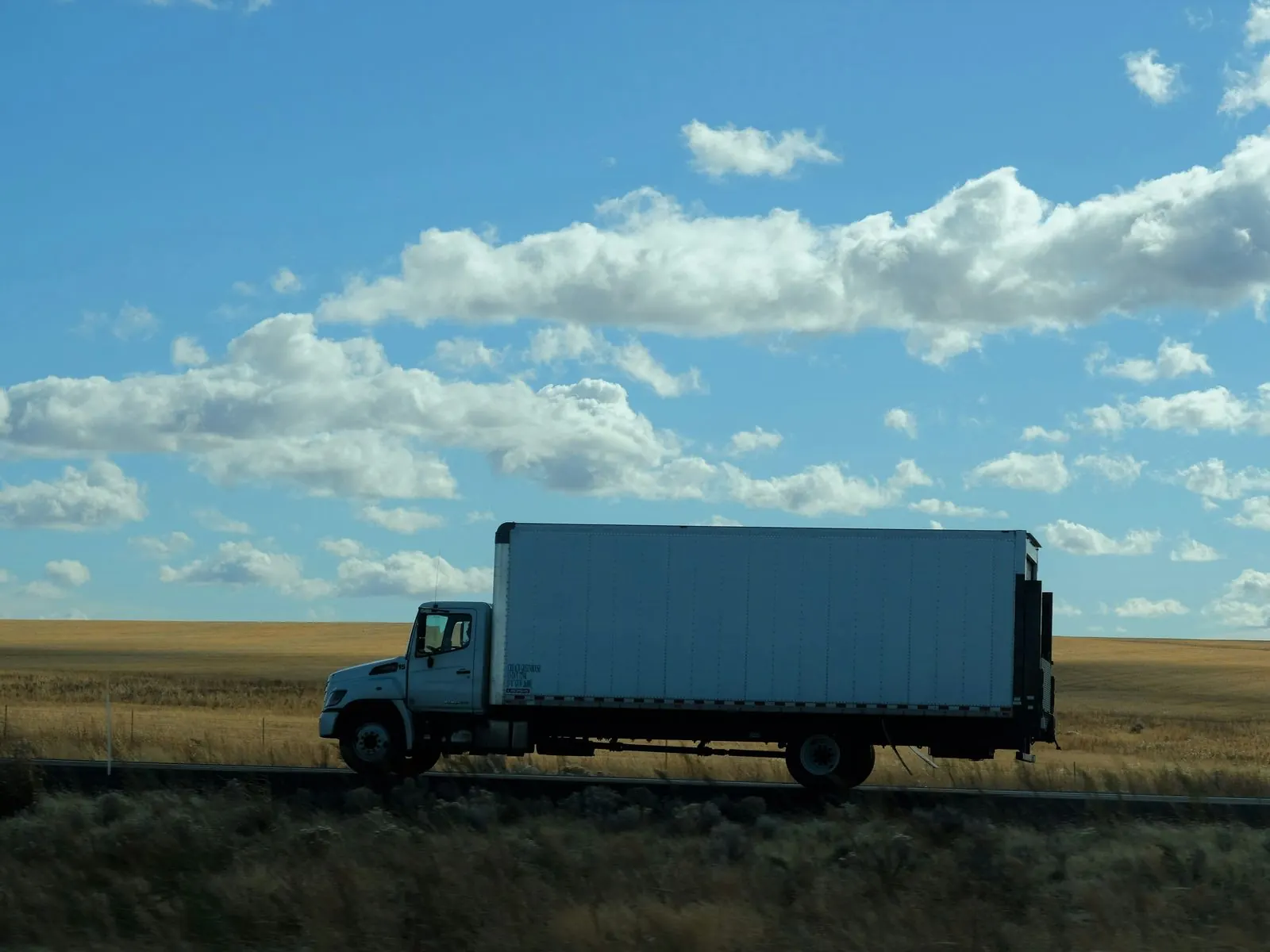
Questions about non-CDL driving jobs
Do you need a CDL to drive a box truck?
You don’t need a CDL for a box truck rated 26,000 lb or less that doesn’t carry placarded hazardous materials. The gross vehicle weight rating (GVWR) is on the label in the driver’s door frame; from 26,001 lb a single truck needs a Class B CDL.
Truck sizes, payload, air brakes and the rules that still apply: do you need a CDL to drive a box truck?
Do box truck drivers need a DOT medical card?
Box truck drivers need a DOT medical card when the truck is rated over 10,000 lb and the route crosses state lines (or the load is part of an interstate trip). The truck is then a commercial motor vehicle, so you pass a DOT physical and carry the medical card while driving.
How much do non-CDL box truck drivers make?
Light truck drivers, the Bureau of Labor Statistics group for trucks under 26,001 lb, earned a median of $21.57 an hour ($44,860 a year) in May 2025. This non-CDL job pays $18–$25 an hour, set from current employer postings: new drivers start at the low end and experienced drivers earn toward the top.
Hourly, day-rate and per-stop pay, overtime and how to earn more: box truck driver salary in 2026.
Can a non-CDL driver cross state lines?
Yes, a non-CDL driver can cross state lines. In a vehicle rated over 10,000 lb you follow the federal driver rules: you must be 21 or older, carry a DOT medical card and track your hours of service.
Do non-CDL drivers need an ELD or a logbook?
Non-CDL drivers don’t need an ELD or a logbook on local work within 150 air-miles that returns to the same place each day. The short-haul exception covers it, as long as the carrier keeps your time records. Longer runs in a commercial vehicle need logs.
Are non-CDL drivers drug tested?
Non-CDL drivers aren’t drug tested under federal DOT rules, which test only drivers who need a CDL. A carrier can still test non-CDL drivers under its own company policy, and your recruiter can tell you which carriers do.
Do you need a CDL to drive a Sprinter van?
You don’t need a CDL to drive a Sprinter van: a single vehicle needs a CDL only from 26,001 lb, and vans are rated far below that. The van’s rating on the door label still matters. Rated 10,001 lb or more and driven across state lines, it is a commercial vehicle, so you carry a DOT medical card and follow the hours-of-service rules; rated 10,000 lb or less, it is not.
Do I need my own van or box truck?
No, you don’t need your own vehicle: this is a company driver job, and the carrier provides the box truck, straight truck, cargo van or Sprinter van you drive. If you own a box truck or van and want loads for it, that is owner-operator work: see our box truck dispatch.
Can I drive hotshot without a CDL?
You can drive hotshot without a CDL if the pickup and trailer together are rated under 26,001 lb, or the trailer is rated 10,000 lb or less. A pickup and gooseneck rated 26,001 lb or more with a trailer over 10,000 lb needs a Class A CDL. This job is for box trucks and vans, not hotshot: if you run your own pickup and trailer, see hotshot dispatch.
Why doesn’t the job name the carrier?
The job doesn’t name the carrier because we match you with the carrier that fits after you apply. Your recruiter tells you the carrier’s name, its exact pay and its home time before you fill in that carrier’s application, so you never apply to an employer you haven’t been told about.
From the blog
Guides for non-CDL drivers
What drivers ask before they apply, answered from the federal rules and current pay data.
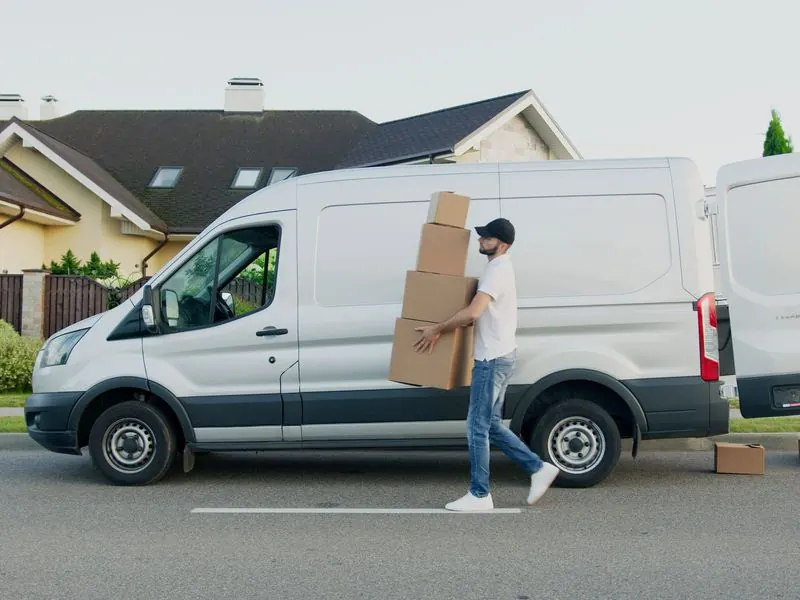
Box Truck Driver Salary in 2026: What Non-CDL Drivers Make: Box truck drivers (BLS light truck drivers) earned a median $44,860 a year, $21.57 an hour, in May 2025. See 2026 job pay, overtime and weekly math.
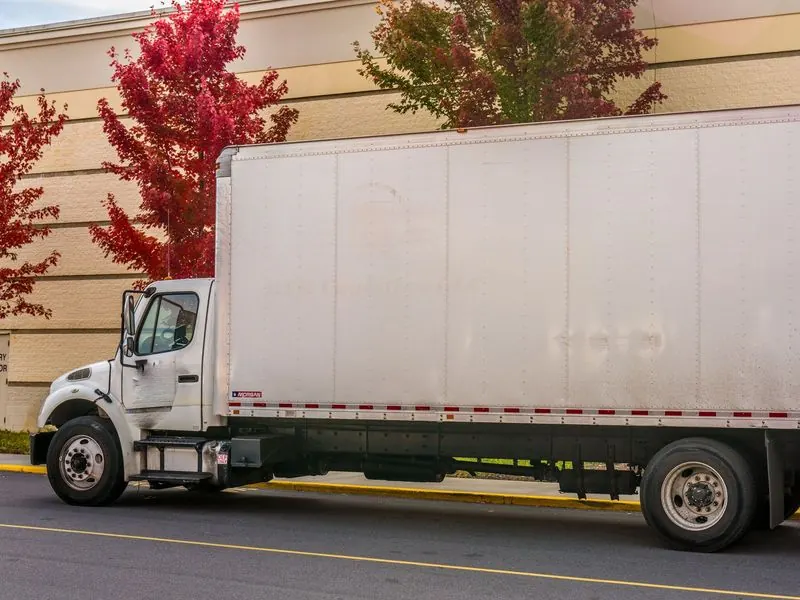
Do You Need a CDL to Drive a Box Truck? Non-CDL Rules for 2026: A box truck needs a CDL only at 26,001 lb GVWR or more. How to read the label, payload math, air brakes, towing and the DOT rules non-CDL drivers still follow.


Sources
Pay figures come from employers’ current job postings and pay pages (September–October 2026) and the Bureau of Labor Statistics’ May 2025 wage data, its newest (released in 2026). The federal rules are as of October 27, 2026. This is general information, not legal advice: each carrier sets its own hiring standards on top of the federal rules. Checked October 29, 2026.
- Talent.com: non-CDL box truck driver job listings (September–October 2026), Talent.com
- Ryder: Delivery Driver Non CDL Home Daily, Tualatin, OR (posted October 27, 2026), Ryder
- Amazon invests another $1.9 billion in the Delivery Service Partner program (September 2026), Amazon
- Occupational Employment and Wages, May 2025 data (released 2026): Light Truck Drivers (53-3033), U.S. Bureau of Labor Statistics
- Occupational Outlook Handbook, 2025–35 (updated Aug 2026): Delivery Truck Drivers and Driver/Sales Workers, U.S. Bureau of Labor Statistics
- 49 CFR 383.91: Commercial motor vehicle groups (CDL classes), Electronic Code of Federal Regulations (eCFR)
- 49 CFR 390.5: Definitions (commercial motor vehicle), Electronic Code of Federal Regulations (eCFR)
- 49 CFR 391.41: Physical qualifications for drivers, Electronic Code of Federal Regulations (eCFR)
- 49 CFR 391.11: General qualifications of drivers, Electronic Code of Federal Regulations (eCFR)
- 49 CFR 350.305: Intrastate driver variances, Electronic Code of Federal Regulations (eCFR)
- English Language Proficiency Out-of-Service Criteria (proposed rule, Aug 10, 2026), Federal Register
- 49 CFR 395.1: Scope of the hours of service rules (short-haul exceptions), Electronic Code of Federal Regulations (eCFR)
- 49 CFR 382.103: Applicability of drug and alcohol testing, Electronic Code of Federal Regulations (eCFR)
- 49 CFR 391.21: Application for employment, Electronic Code of Federal Regulations (eCFR)
- 49 CFR 391.23: Investigation and inquiries (driving record), Electronic Code of Federal Regulations (eCFR)
More jobs
Other open driving jobs
Now hiring · CDL Class A
CDL-A Truck Driver
- Pay
- $900–$1,700 a week
- Where
- Anywhere in the U.S.
- CDL Class A
- Full-time
- OTR
- Regional
- Local
- Dedicated
Who recruits you
Digital Storming has recruited truck drivers for carriers since 2017, with a team of 50+. Carriers pay our placement fee; applying is free for drivers. About Digital Storming.
Digital Storming recruits without regard to race, color, religion, sex, sexual orientation, gender identity, national origin, age, disability, veteran status or any other status protected by law.
Apply for the Non-CDL Box Truck, Straight Truck, Cargo Van & Sprinter Van Driver job
About 3 minutes, mostly taps. A recruiter calls you when a carrier fits.
Mon–Sat, 9:00 AM – 6:00 PM ET · We reply within one business day